
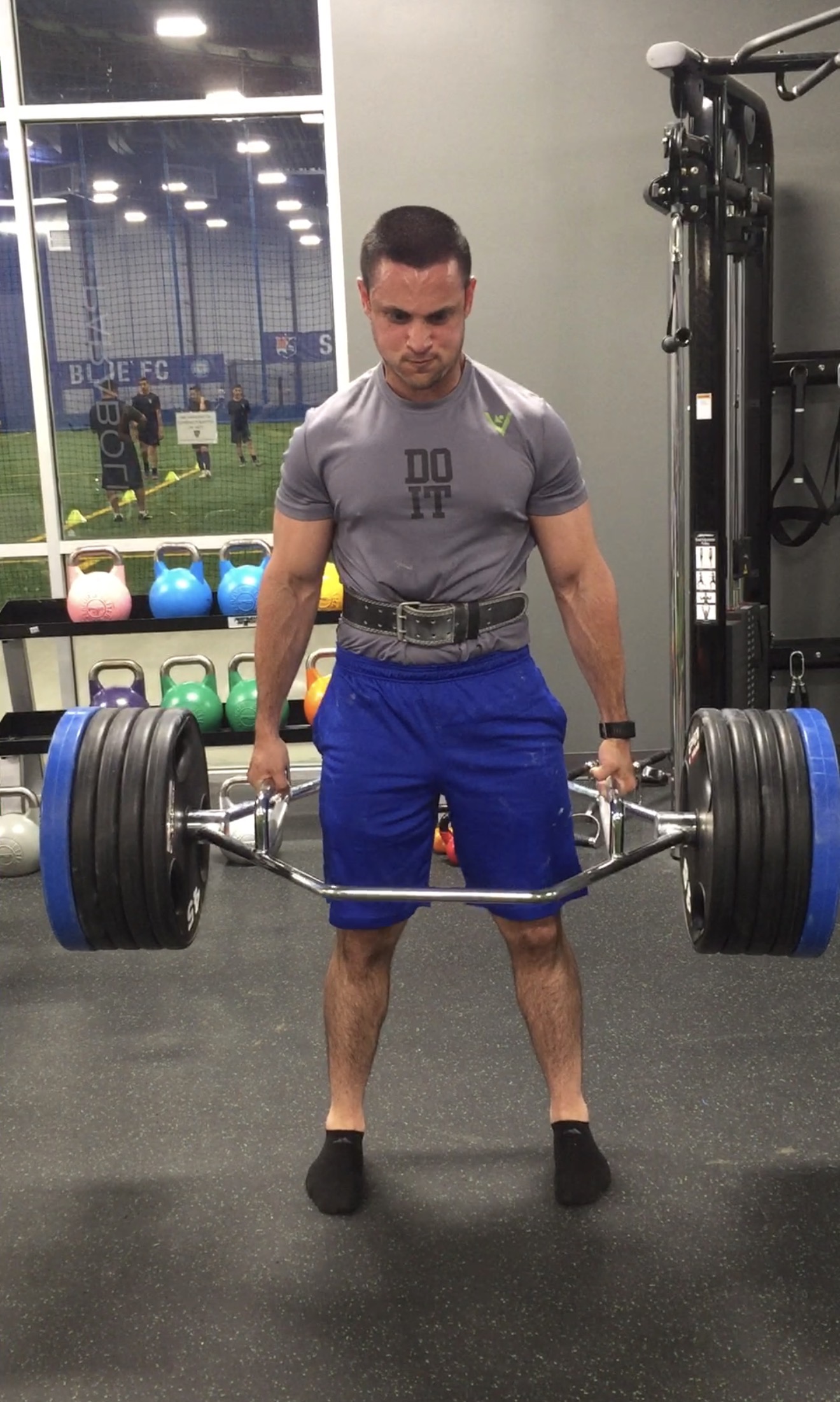
How Long Does Physical Therapy Take to Work for Common Injuries?
How Long Does Physical Therapy Take to Work for Common Injuries?
Being sidelined by an injury is one of the most frustrating experiences an active adult or athlete can face. If you have already tried multiple treatments, sat through generic exercise programs, and left appointments wondering why nothing is sticking, it is completely reasonable to ask: how long is physical therapy actually going to take?
The honest answer is that it depends, but that does not mean you have to stay in the dark. Understanding what shapes your recovery timeline, and making sure you are receiving the right kind of care, can make all the difference between months of slow progress and results you can actually feel.
What Determines How Long Physical Therapy Takes?
No two injuries, and no two people, are exactly alike. Several factors influence how quickly you respond to treatment:
Type and severity of injury: A mild ankle sprain typically heals faster than a chronic hamstring strain or longstanding low back pain.
How long you have had symptoms: Acute injuries often respond more quickly than issues that have been building for months or years.
Your overall health: Sleep, nutrition, stress levels, and general fitness all affect how efficiently your body heals.
Consistency with your program: Progress between sessions matters just as much as what happens in the clinic.
Quality and personalization of care: Generic, one-size-fits-all treatment plans tend to produce slow, inconsistent results. Individualized care is often the most overlooked factor in faster recovery.
When the right variables are in place, your timeline can shorten significantly.

General Recovery Timelines for Common Injuries
While every case is unique, here is a realistic look at what active adults and athletes can expect for some of the most common injuries treated through orthopedic and sports physical therapy.
Low Back Pain and Sciatica
Acute flare-ups can see meaningful relief within a few sessions. Chronic cases often require 6 to 12 weeks to address the root movement patterns and build lasting spinal stability.
Shoulder Pain and Rotator Cuff Issues
Initial pain reduction and range of motion improvements can occur within 3 to 6 weeks. Full strength and overhead function may take 8 to 16 weeks depending on the severity of the injury, whether it involves rotator cuff pain, shoulder impingement, or frozen shoulder.
Knee Pain
With the right biomechanical corrections and strengthening, many athletes dealing with Runner's Knee or patellofemoral pain see significant improvement in 4 to 8 weeks. ACL rehabilitation is a longer process, with full return to sport typically spanning several months and guided by structured return-to-sport progressions.
Plantar Fasciitis and Achilles Tendinopathy
Because these conditions often stem from issues throughout the entire kinetic chain, they can take 8 to 16 weeks for full resolution when addressed comprehensively through therapeutic exercise and targeted soft tissue work.
Ankle Sprains and Hamstring Strains
Depending on the grade of injury, recovery can range from 2 to 8 weeks, with balance and proprioception training and return-to-sport progressions guiding the final phase.
The common thread across all of these conditions is that targeting the underlying cause, not just the site of pain, is what produces lasting outcomes.
How Game Changer Physical Therapy Approaches Your Recovery
At Game Changer Physical Therapy, the approach to performance physical therapy in Manalapan, NJ is built around you as an individual, not a diagnosis on a chart.
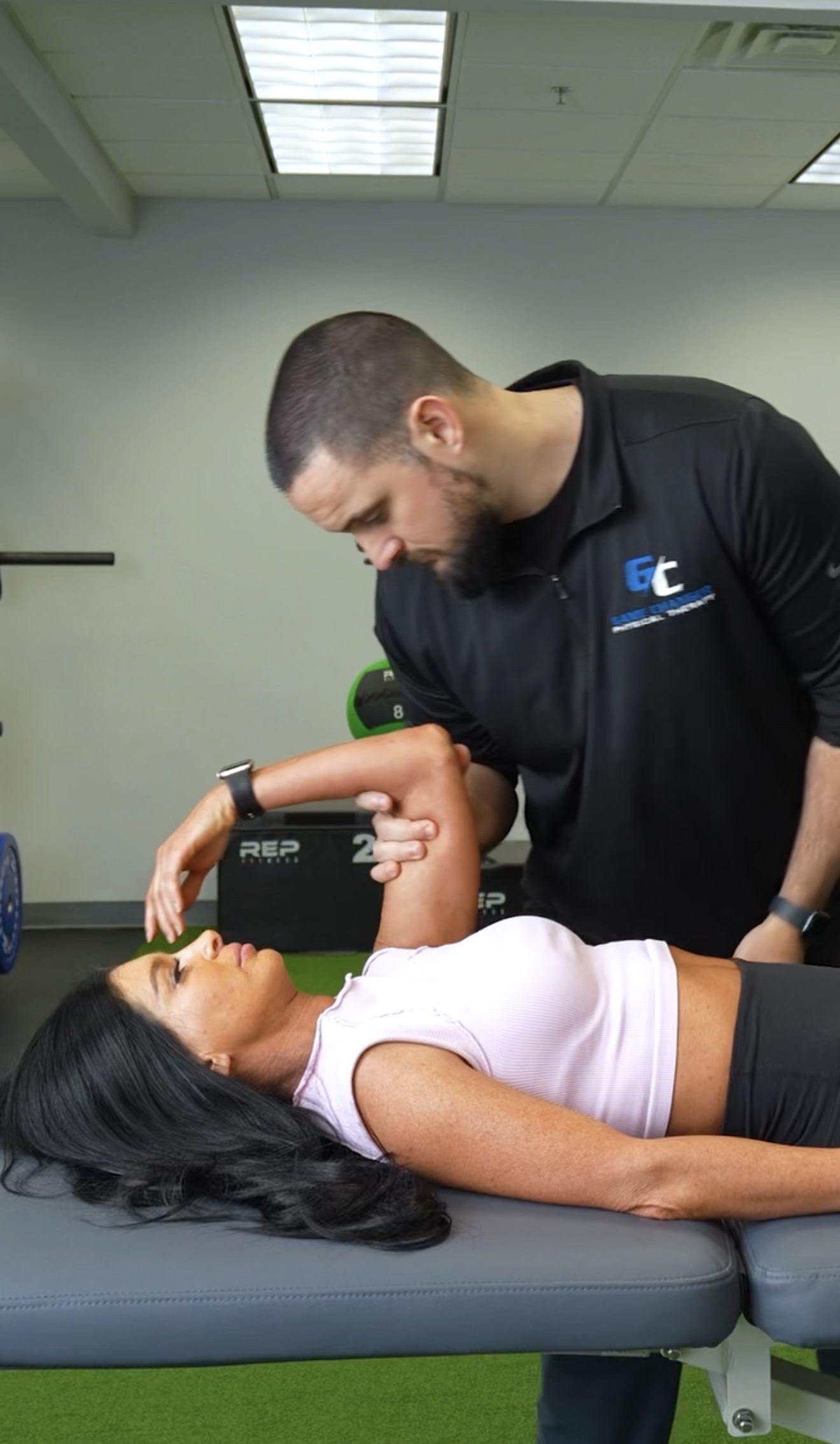
Every session is a full hour of one-on-one care with the same physical therapist. There is no rotating through aides or being handed off to a generic exercise circuit. Your therapist conducts a thorough assessment and reassessment at every visit, which means your program evolves with your progress rather than staying static.
The root-cause philosophy at Game Changer Physical Therapy means looking beyond the site of your pain to identify what is actually driving your symptoms. Depending on your needs, treatment may incorporate:
Manual therapy and joint mobilization
Myofascial release, soft tissue mobilization, and trigger point therapy
Cupping, IASTM, and scraping techniques
Blood flow restriction (BFR) training
Neuromuscular re-education and therapeutic exercise
Plyometrics and return-to-sport progressions
Running gait analysis and functional movement assessments
Every tool used has a specific purpose tied to your individual goals, whether that is returning to sport, resolving chronic pain, or building long-term resilience.
What Your Recovery Journey Looks Like
Although timelines vary, most patients move through three broad phases during their care at Game Changer Physical Therapy.
Phase 1: Weeks 1 to 3
The focus is on pain reduction, restoring joint mobility, and establishing foundational movement patterns through manual therapy and targeted exercise. Many patients notice meaningful relief after their very first session.
Phase 2: Weeks 3 to 8
This phase emphasizes strengthening weak muscles, correcting biomechanical imbalances, and building the resilience your body needs to handle the demands of your sport or daily life. Modalities such as electrical stimulation, taping, and compression therapy may be incorporated as appropriate.
Phase 3: Weeks 8 and Beyond
The final phase focuses on return-to-sport progressions, functional movement assessments, running gait analysis when applicable, and long-term injury prevention strategies. The goal is to make sure you do not end up back at square one.
Between sessions, you are never on your own. Text and email support keeps you connected to your therapist so that questions get answered and momentum stays strong.
Take the First Step Toward a Recovery That Lasts
If you are tired of guessing how long recovery will take and ready for a clear, personalized plan, Game Changer Physical Therapy is here to help. A free 30-minute in-person consultation is available for all new patients so you can experience the approach firsthand before committing to anything.
Explore physical therapy services at Game Changer Physical Therapy or visit the blog to learn more, and take the first step toward a recovery that actually lasts.
